Impact of Indian Rule on WhatsApp Number Verification and How It's Expected to Be Implemented
What the Rule Is
The government of India, through the Department of Telecommunications (DoT), has introduced a mandate that messaging apps like WhatsApp must make sure an account is continuously linked to the active SIM card tied to the phone number used during signup. This is often referred to as SIM-binding. The rule is part of the broader Telecom Cyber Security Rules and applies to any app that uses a mobile number to identify users.
Right now, WhatsApp and most apps let you verify your number once (usually with an OTP) and then keep working even if the SIM is removed, inactive, or moved to another device. The new rule stops that.
How Verification Will Change
Continuous SIM presence checks: Instead of a one-time OTP at signup, WhatsApp will check periodically whether the SIM card originally linked to your number is still physically inserted and active in your phone. If the SIM isn't present or fails verification, the app could stop working until you re-verify.
Periodic re-verification: WhatsApp is reportedly working on a feature that will prompt users for periodic checks of the mobile number tied to the SIM. This could mean re-entering a verification code or otherwise confirming the presence of the SIM from time to time.
Effect on WhatsApp Web and multi-device use: Under the mandate, companion services like WhatsApp Web can't stay logged in forever. They must automatically log out at least every six hours and require you to scan the QR code again to reconnect. This is part of ensuring the session stays tied to a device that has the active SIM.
When It Takes Effect
The DoT gave messaging platforms 90 days to comply with the SIM-binding direction when it was issued, meaning the implementation deadline was around late February or early March 2026. Apps had to retool their systems to enforce these checks and submit compliance reports.
Why It's Being Done
The government says this will help reduce cyber fraud and misuse of accounts by tying them more tightly to the real SIM and device. They argue that criminals often exploit situations where a messaging account keeps working even after a SIM is removed or inactive.
What This Means for Users
In practice, you might be asked to verify your SIM periodically, not just once. WhatsApp may stop working temporarily if it detects the registered SIM isn't in your phone. Web sessions will require frequent reconnection via QR code. Your chats won't be deleted if the SIM check fails, but access could be paused until you re-verify.
This change applies only to accounts with Indian phone numbers (+91) and doesn't affect WhatsApp users in other countries.
If You Travel Abroad
If you travel outside India but keep your Indian SIM inserted in your phone and keep the SIM active (not deactivated by the telecom operator), then you should be fine. The system checks whether the registered SIM is present and active, not your physical location. So roaming is okay.
Possible issues: If you remove the Indian SIM and use only a foreign SIM, the app may ask for re-verification. If your Indian SIM gets deactivated due to long inactivity, access could be temporarily paused.
Safe approach while traveling: Keep your Indian SIM in the phone, even if you are using a secondary SIM for data.
If You Use a Dual-SIM Phone
Most Indian users now use dual-SIM devices. As long as the SIM linked to your WhatsApp account is physically inserted and active, you're compliant. It does not matter if that SIM is not the primary data SIM. It does not matter if you rarely use it for calls.
Risk scenario: If you remove the WhatsApp-linked SIM and keep only the other SIM, periodic checks may fail. You may be logged out or asked to verify again.
Practical tip: If you rely heavily on WhatsApp for business, avoid frequently swapping SIM slots.
If You Switch Numbers
If you change your mobile number, you must use WhatsApp's built-in Change Number feature. The new number must have an active SIM inserted in your phone. You will go through OTP verification again. Under the new system, simply verifying once won't be enough long term. The new SIM must remain present and active.
Important: If you permanently stop using your old SIM but don't update WhatsApp, that number might get reassigned by the telecom operator. The new owner could potentially attempt registration. You could lose access to the account. Always change the number inside the app before discarding a SIM.
WhatsApp Web and Business Users
Under SIM-binding rules, web sessions may auto-expire more frequently. You may need to scan the QR code again. If the phone fails SIM checks, linked devices may disconnect. This mainly impacts people who keep WhatsApp Web open all day for business.
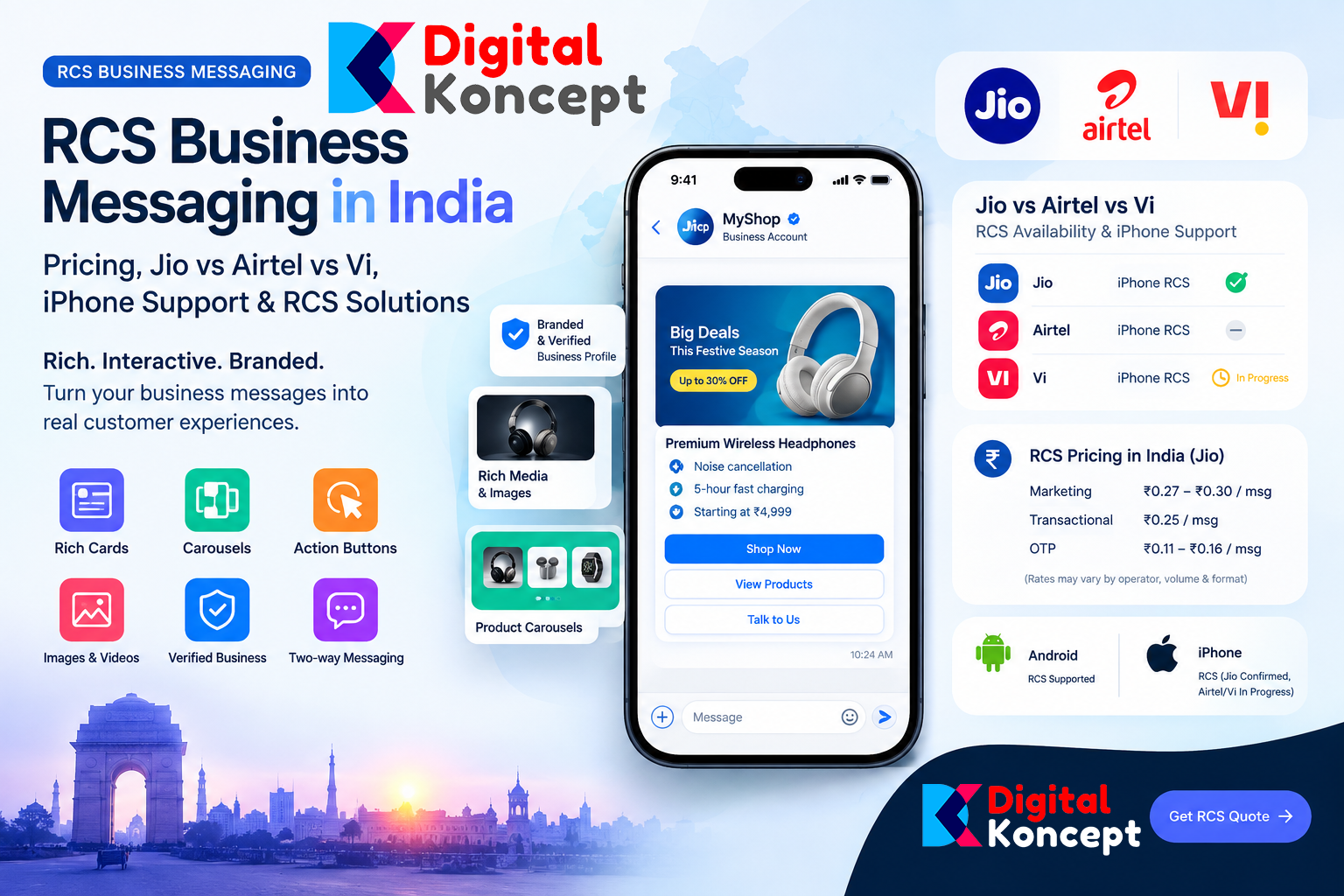
If you are using WhatsApp for customer support, marketing, RCS or messaging integration, or API-based business workflows, you must ensure the registered SIM stays active. It is not kept in a drawer or in an unused phone. The number does not expire due to recharge issues.
For business continuity, it's safer to use a dedicated SIM, keep it in a powered device, and maintain regular recharge.
Why This Matters
The goal is to reduce fraud where SIMs are discarded but accounts remain active, stolen or recycled numbers are misused, and messaging accounts are operated without physical SIM control. It increases accountability, but it also increases operational discipline for users.
Impact on WhatsApp Business API Users
Many businesses in India use the WhatsApp Business API through official BSPs (Business Solution Providers). Even though the Business API runs on cloud infrastructure, the registered number must be tied to an active SIM, remain valid and not be disconnected, and stay under verified ownership.
Earlier, once a number was onboarded to the API and verified, the physical SIM often became irrelevant. Some companies even removed it from devices. Under stricter SIM-binding interpretation, this approach becomes risky.
Businesses may need to keep the SIM active and properly recharged, ensure the number is not surrendered or recycled, and maintain documentation linking the number to the organization. Failure could mean temporary suspension, forced re-verification, or disruption of messaging campaigns. For businesses running daily OTP, alerts, or campaigns, even a few hours of downtime can cause revenue loss.
Impact on Bulk Messaging and Grey Route Setups
This is where the biggest disruption may happen. Some operators use SIM banks, GSM gateways, rotating SIM cards, and unofficial WhatsApp panels. These setups rely on frequently swapping SIMs or running accounts without maintaining strict SIM presence.
With SIM-binding enforcement, periodic SIM presence checks can break automation. Removed or rotated SIMs may trigger logout. Accounts could get flagged faster. This increases the cost of maintaining non-compliant setups and reduces scalability for spam networks. That is likely part of the intent.
Impact on Resellers and Panel Operators
If you operate an RCS or WhatsApp marketing panel, a reseller-based messaging platform, or a campaign automation tool, you now need stronger compliance controls.
Recommended operational safeguards include dedicated SIM per WhatsApp number, no SIM swapping, proper KYC documentation, regular recharge tracking, and controlled device access. If your business model depends on rotating SIM inventory, the risk level just increased significantly.
Effect on OTP and Authentication Businesses
Banks, fintech apps, and SaaS platforms using WhatsApp for login OTP, transaction alerts, and KYC updates must ensure long-term number stability, no telecom expiry, and no accidental SIM deactivation. Large enterprises will likely move toward tighter number governance and compliance tracking.
What Smart Businesses Should Do Now
For legitimate businesses, there is slight operational overhead but better trust, lower fraud risk, and a more stable ecosystem long term. For spam operators, there is higher cost, higher detection probability, and reduced ability to run disposable accounts.
If you're running campaigns daily: audit all WhatsApp numbers in use, verify SIM ownership and recharge cycles, maintain telecom compliance records, avoid using personal numbers for business automation, and work only with official Meta BSP partners.
Run Compliant WhatsApp & RCS Marketing Campaigns
End-to-end WhatsApp and RCS marketing with API panel, bulk messaging, verified sender profiles, and full compliance with India's telecom regulations.
Explore WhatsApp & RCS Marketing →Verify & Scrub Your Contact Lists
Filter out inactive numbers, DND-registered contacts, and invalid entries before running campaigns — reduce bounce rates and stay compliant.
Explore DND Scrubbing →