Free RCS Message Provider — Unlocking the Future of Rich Communication Services for Business in 2026
The Evolution of Messaging: From SMS to RCS
The landscape of digital communication has undergone significant transformations since the advent of Short Message Service (SMS) in the early 1990s. Initially, SMS offered a revolutionary way for users to send short, text-based messages between mobile phones. The simplicity and immediate delivery made SMS an instant hit, and it quickly became a staple of everyday communication. However, as technology advanced, the limitations of SMS became clearer. Its inability to support multimedia content, limited character count, and lack of interactivity left much to be desired.
The early 2000s saw the rise of Multimedia Messaging Service (MMS), which attempted to fill some of the gaps left by SMS. MMS allowed users to send pictures, videos, and audio files, providing a more enriched messaging experience. However, MMS never quite achieved the ubiquity of SMS, primarily due to higher costs and inconsistent support across different mobile networks and devices. As a result, the search for a more comprehensive messaging solution continued.
Enter Rich Communication Services (RCS), poised to redefine the messaging landscape. Developed as a universal standard by the GSM Association (GSMA), RCS aims to offer a feature-rich alternative to traditional SMS and MMS. RCS builds on the strengths of its predecessors while introducing advanced functionalities such as group chats, file sharing, read receipts, and typing indicators. With its ability to support high-quality multimedia content and interactive elements, RCS is set to become the new backbone of mobile communication. Digital Koncept, as a leading RCS messaging provider in Delhi-NCR, helps businesses leverage this powerful channel for customer engagement and marketing automation.
Key Features of RCS and How They Enhance Communication
One of the standout features of RCS is its support for high-quality multimedia content. Unlike SMS, which is limited to plain text, RCS enables users to send images, videos, and audio files seamlessly. This capability opens up a plethora of opportunities for richer and more engaging conversations. For instance, businesses can use RCS to send promotional videos, product images, and audio clips directly to customers, making their marketing efforts more impactful.
Another significant feature of RCS is its enhanced interactivity. With RCS, users can see read receipts, typing indicators, and delivery confirmations, similar to what is available in popular over-the-top (OTT) messaging apps like WhatsApp and Facebook Messenger. These features not only improve the user experience but also add a layer of transparency to communication. Customers can know when their messages have been delivered and read, and the typing indicator can make conversations feel more dynamic and real-time.
Group messaging is another area where RCS shines. While SMS supports group texts, the experience is often clunky and limited. RCS, on the other hand, offers a more robust group chat feature, allowing users to create and manage groups with ease. Businesses can leverage this capability for team collaborations, customer support, and community building. For instance, a company can create a group for its premium customers to provide exclusive updates and offers, fostering a sense of community and loyalty.
RCS vs. Traditional SMS: A Comparative Analysis
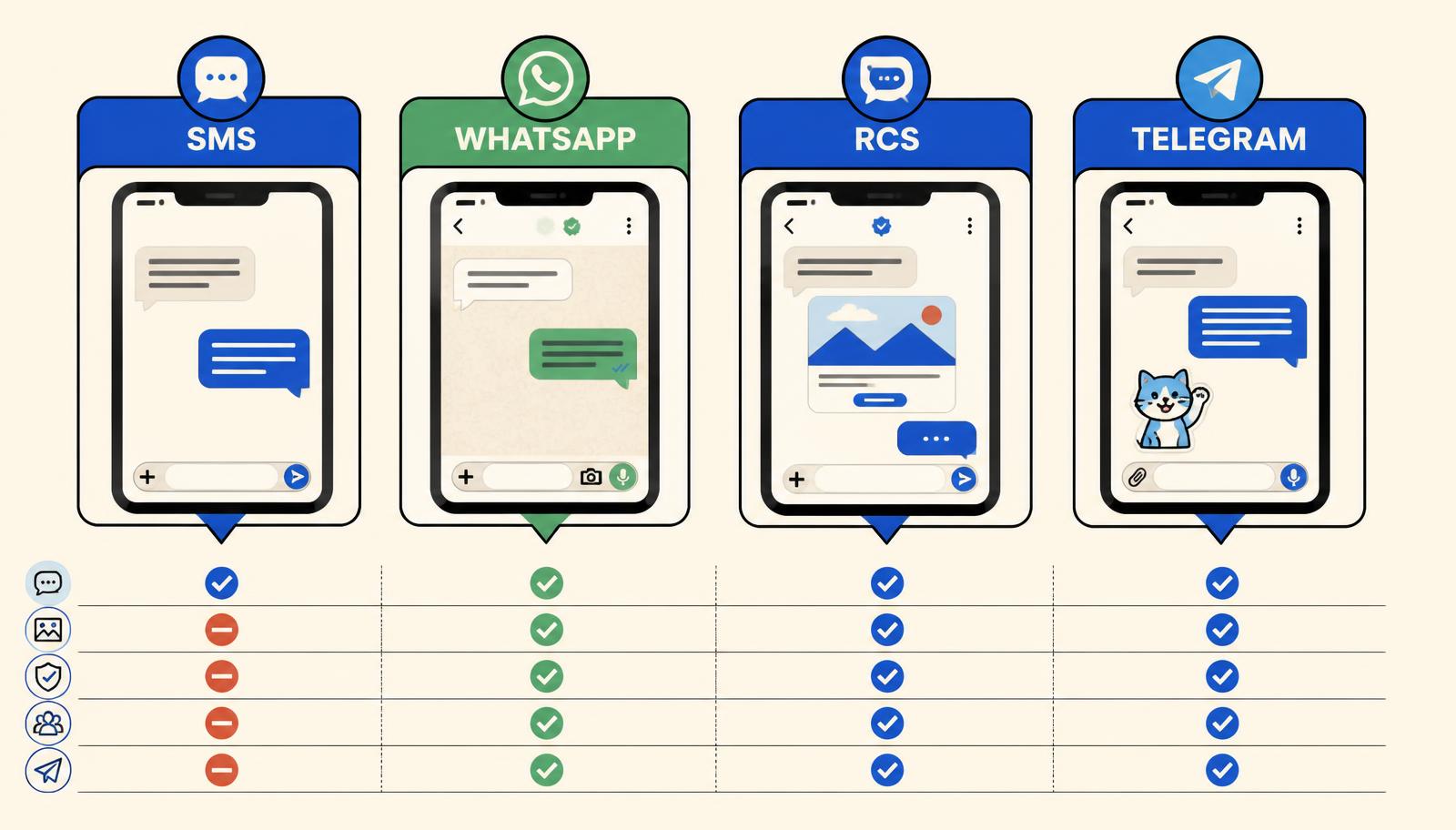
When comparing RCS with traditional SMS, the differences are striking. One of the most immediate and noticeable differences is the user interface. SMS is text-based and often lacks visual appeal, whereas RCS supports rich media, making conversations more engaging and visually appealing. This difference alone can significantly impact user satisfaction and engagement.
In terms of functionality, RCS offers a plethora of features that SMS simply cannot match. For example, RCS supports file sharing up to a certain size limit, enabling users to send documents, images, and videos without the need for third-party applications. SMS, on the other hand, is restricted to 160 characters and does not support multimedia content, making it less versatile for modern communication needs. The ability to send larger files directly through RCS can be a game-changer for businesses that rely on quick and efficient information exchange.
Another critical area of comparison is interactivity. SMS lacks real-time indicators such as read receipts and typing notifications, which are standard in RCS. These features make conversations more fluid and transparent, enhancing the overall user experience. For businesses, this means more effective customer interactions and faster issue resolution. For instance, customer service teams can know when a customer has read their message and is typing a response, enabling more timely and responsive support.
The Role of RCS in Business Communication
RCS is not just an upgrade for personal messaging; it has significant implications for business communication as well. One of the most compelling benefits of RCS for businesses is its ability to deliver personalized and interactive messages. With RCS, companies can send customized promotions, appointment reminders, and customer surveys, all enriched with multimedia content. This level of personalization can significantly improve customer engagement and conversion rates.
Moreover, RCS can serve as a powerful tool for customer service. The enhanced interactivity features, such as read receipts and typing indicators, enable more effective and transparent communication between customers and support teams. Businesses can also use RCS to create automated chatbots that handle routine inquiries, freeing up human agents to focus on more complex issues. This not only improves efficiency but also enhances the customer experience by providing quick and accurate responses. Digital Koncept integrates RCS with AI-powered chatbots to deliver enterprise-grade customer support automation.
Another area where RCS can make a significant impact is in transactional messaging. Traditional SMS is often used for sending one-time passwords (OTPs), order confirmations, and shipping notifications. RCS can take these transactions to the next level by incorporating rich media and interactive elements. For example, a shipping notification can include a clickable link to track the package in real-time, and an OTP message can have a button to automatically fill in the code, simplifying the user experience.
How RCS Improves Customer Engagement and Experience
Customer engagement is a critical metric for any business, and RCS offers several features that can significantly enhance it. One of the most effective ways RCS improves engagement is through its support for rich media. Visual content like images and videos can capture attention more effectively than plain text, making marketing messages more compelling. For example, a restaurant can send a video of a new dish to entice customers, or a retail store can share images of a new collection to drive foot traffic.
Interactivity is another key aspect of customer engagement, and RCS excels in this area. Features like read receipts, typing indicators, and interactive buttons make conversations more dynamic and engaging. Customers are more likely to interact with messages that offer a two-way communication channel. For instance, a customer service message with an interactive button to schedule a call can lead to quicker and more satisfactory issue resolution.
Personalization is another crucial factor in enhancing customer experience, and RCS provides ample opportunities for it. Businesses can use RCS to send tailored messages based on customer preferences and behavior. For example, a fitness app can send personalized workout plans and progress updates, or a travel agency can offer customized vacation packages based on past bookings. This level of personalization can make customers feel valued and appreciated, fostering long-term loyalty.
Challenges and Limitations of RCS Adoption
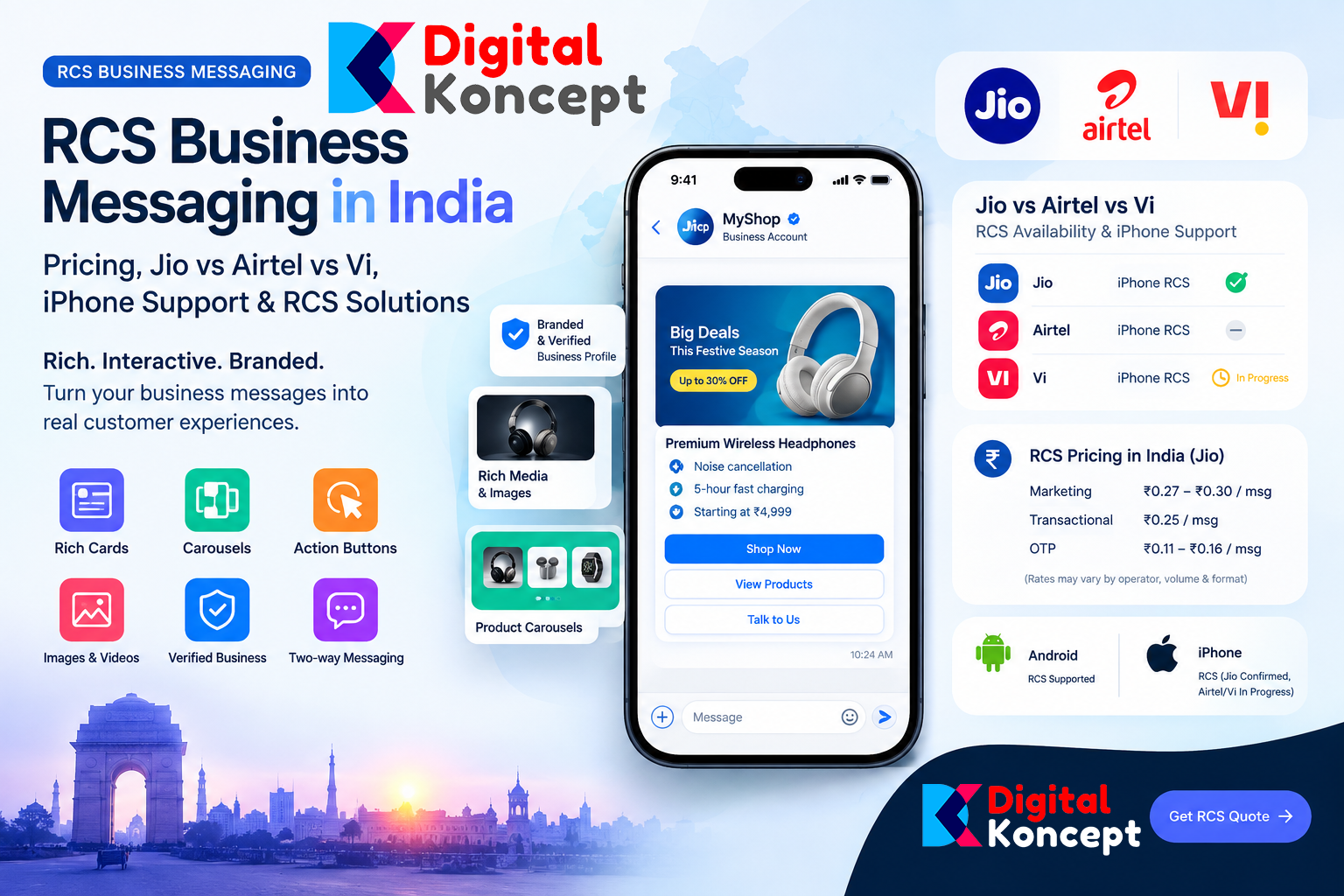
Despite its numerous advantages, RCS adoption is not without challenges. One of the primary obstacles is the lack of universal support across all mobile networks and devices. While many major carriers and smartphone manufacturers have adopted RCS, there are still gaps in coverage, particularly in regions with less developed mobile infrastructure. This inconsistency can limit the reach and effectiveness of RCS-based campaigns.
Another significant challenge is the competition from established OTT messaging apps like WhatsApp, Facebook Messenger, and WeChat. These platforms already offer many of the features that RCS provides and have the added advantage of a large user base. Convincing users to switch from these well-entrenched apps to RCS can be a daunting task. Moreover, OTT apps are often platform-agnostic, while RCS requires carrier support, adding another layer of complexity to its adoption.
Privacy and security concerns also pose challenges for RCS adoption. While RCS offers end-to-end encryption for one-on-one chats, this feature is not universally available for group chats and other functionalities. Given the increasing awareness and importance of data privacy, users may be hesitant to adopt a messaging service that does not offer comprehensive security features. Businesses must address these concerns by implementing robust security measures and educating customers about the safety of RCS.
The Future of RCS: Trends and Predictions
As we look to the future, several trends and predictions can be made about the trajectory of RCS. One of the most promising trends is the increasing adoption of RCS by mobile carriers and smartphone manufacturers. As more players in the telecom industry embrace RCS, its reach and effectiveness are likely to grow, making it a more viable alternative to traditional SMS and OTT messaging apps. This increased adoption will also drive the development of new features and functionalities, further enhancing the RCS experience.
Another trend to watch is the integration of RCS with other digital channels and platforms. Businesses are increasingly adopting omnichannel communication strategies to provide a seamless customer experience. RCS can play a crucial role in this by integrating with email, social media, and customer relationship management (CRM) systems. For example, a business could use RCS to send a promotional message and then follow up with an email or social media post, creating a cohesive and multi-faceted marketing campaign.
Artificial Intelligence (AI) and machine learning are also expected to play a significant role in the future of RCS. AI-powered chatbots and virtual assistants can enhance the interactivity and personalization of RCS messages. These intelligent systems can analyze customer behavior and preferences to send highly targeted messages, improving engagement and conversion rates. Moreover, AI can automate routine tasks like answering frequently asked questions, allowing human agents to focus on more complex issues.
How to Implement RCS for Your Business with Digital Koncept
Implementing RCS for your business requires careful planning and execution. The first step is to assess your current communication strategy and identify areas where RCS can add value. For example, if you rely heavily on SMS for customer notifications, consider how RCS could enhance these messages with multimedia content and interactive elements. Conduct a thorough analysis to understand your target audience and their preferences, as this will inform your RCS strategy.
Next, choose a reliable RCS provider that can meet your business needs. Digital Koncept offers end-to-end RCS messaging solutions — from Google RBM (RCS Business Messaging) access and API integration to campaign management, rich media template design, and analytics dashboards. As an authorized Vodafone RCS provider in India, Digital Koncept ensures verified sender profiles, carrier-grade delivery, and full compliance with TRAI regulations.
Once you've selected a provider, the next step is to integrate RCS into your existing communication systems. Digital Koncept's team works with your IT infrastructure to ensure seamless integration with CRMs, marketing automation platforms, and customer support tools. We recommend conducting a pilot program to test the effectiveness of RCS before rolling it out on a larger scale. Use this pilot phase to gather feedback, identify any issues, and make necessary adjustments. Finally, educate your team and customers about the new RCS capabilities to ensure smooth adoption.
Conclusion: Embracing RCS for a Competitive Edge
In conclusion, Rich Communication Services (RCS) represents the future of mobile messaging, offering a host of features that can significantly enhance both personal and business communication. From high-quality multimedia content to enhanced interactivity and personalization, RCS provides a comprehensive solution that addresses the limitations of traditional SMS. For businesses, the benefits of RCS are manifold, including improved customer engagement, more effective marketing campaigns, and streamlined customer service.
However, the journey to RCS adoption is not without its challenges. Inconsistent support across networks and devices, competition from established OTT apps, and privacy concerns are some of the hurdles that need to be addressed. Despite these challenges, the future of RCS looks promising, with increasing adoption by carriers, integration with other digital channels, and advancements in AI and machine learning.
By carefully planning and executing your RCS strategy with Digital Koncept as your trusted messaging partner, you can unlock the full potential of this revolutionary messaging service. Whether you're looking to enhance customer engagement, improve transactional messaging, or provide more personalized customer experiences, RCS offers a powerful tool to achieve your goals. Embrace RCS today and gain a competitive edge in the ever-evolving landscape of digital communication. Contact Digital Koncept to get started with your RCS implementation.
Launch Your RCS & WhatsApp Marketing Campaigns
End-to-end WhatsApp and RCS marketing with API panel, bulk messaging, rich media campaigns, and verified sender profiles for maximum engagement. Digital Koncept is your authorized Vodafone RCS provider in India.
Explore WhatsApp & RCS Marketing →Enable RCS on Your Phone — Complete India Guide
Step-by-step guide to enable RCS messaging on iPhone, Android, Samsung, Oppo, Vivo & Xiaomi in India — with carrier support details for Jio, Airtel & Vi.
Read: RCS Messaging India Guide →